Scottish Web Folk Conference 2026

The Scottish Web Folk Conference has now been running for four years, but somehow this was the first year Iโ€™d heard about it. It is primarily intended for “the people who look after university websites” and therefore has been mostly promoted in those circles, however it is open to anyone who has an interest.

So, whilst I don’t currently work on University websites it is something I have worked on in the somewhat distant past1, plus I do still have some connections with Dundee University in my work (most recently working with the Agency of None to develop the Urban Releaf project website).

Overall though when looking at the various sessions for the conference many of the subjects seemed like they would be broadly relevant to anyone involved in website development, so I was definitely interested in attending. Also, being only a 10 minute walk from my house to attend a conference made it extremely low effort on my part to get there.

The conference is a one day event, everyone together in the morning and then three separate tracks in the afternoon. When I booked the conference I picked some specific tracks that seemed of interest but I think I did end up switching up one or two different sessions in the end.

The opening keynote, “Human vs Machine: Who does it better?”, was given by Andrew Millar, Head of Web Services at University of Dundee. Unsurprisingly, AI was the focus of this talk and played a key part of many of the afternoon sessions.

Andrew’s talk introduced it well, giving what I felt was a balanced introduction, harking back to the adage from early computer science, “garbage in, garbage out“, to make the point that whilst AI tools are very capable in many ways it still relies on us humans to plan, guide, direct, coax these tools in very specific ways (perhaps even more so given the slightly illogical or inconsistent output that AI tools can generate).

The sessions in the afternoon were mostly talks but with one or two hands-on workshops, here’s a few of the session titles to give a taste of what the subjects were:

  • AI search summaries: a new lens on old content problems
  • Building for humans and AI: real lessons from an agentic rebuild
  • How to architect your data for the age of AI

You can see the full list of sessions and descriptions over on the SWFC 2026 website:

https://www.dundee.ac.uk/scottish-web-folk

I’m not going to go into more detail about any of the sessions that I attended, overall they were really interesting and whilst generally focused on the higher education context I found much of it very relevant to web design and development in general.

It was also great to meet people from various educational institutions across the UK and Ireland (I think I was one of only a few attendees who didnโ€™t work directly for a university). During some of these conversations, a few people mentioned that whilst AI had featured as a subject at last yearโ€™s event, there was still a lot of uncertainty about how it might affect their work and how they could make use of it.

What struck me this year, both from the sessions and these conversations, was how attitudes towards AI seem to have shifted over the past twelve months. People are actively responding to the challenges presented by the increasing use of AI tools by prospective students, for example, students asking ChatGPT or Gemini for information about potential courses to study. At the same time, theyโ€™re considering how they can carefully and thoughtfully incorporate AI tools into their own workflows. Thereโ€™s clearly still some scepticism and uncertainty, but perhaps a greater understanding of both the opportunities and challenges that AI presents.

If youโ€™re in the UK or Ireland and are โ€œweb folkโ€ involved in higher education, then Iโ€™d definitely recommend checking out next yearโ€™s conference (and even if youโ€™re not involved in higher education, Iโ€™d still recommend having a look). Itโ€™ll be interesting to see how things have progressed in the sector over the next twelve months, particularly how AI continues to influence and shape the work people are doing.


Addendum

  1. As an addendum, here’s a few screenshots of some higher education related websites I worked on way back in that distant past, going back to 1995 :) โ†ฉ๏ธŽ

Two days in Krakรณw – a trip to WordCamp Europe 2026

I have been working with WordPress since around 2010 and since that time I have almost exclusively used it as the underlying basis for various web projects I’ve developed for myself and clients. From design festival websites, to a skatepark directory, to an online learning toolkit, I’ve used it for various projects both large and small.

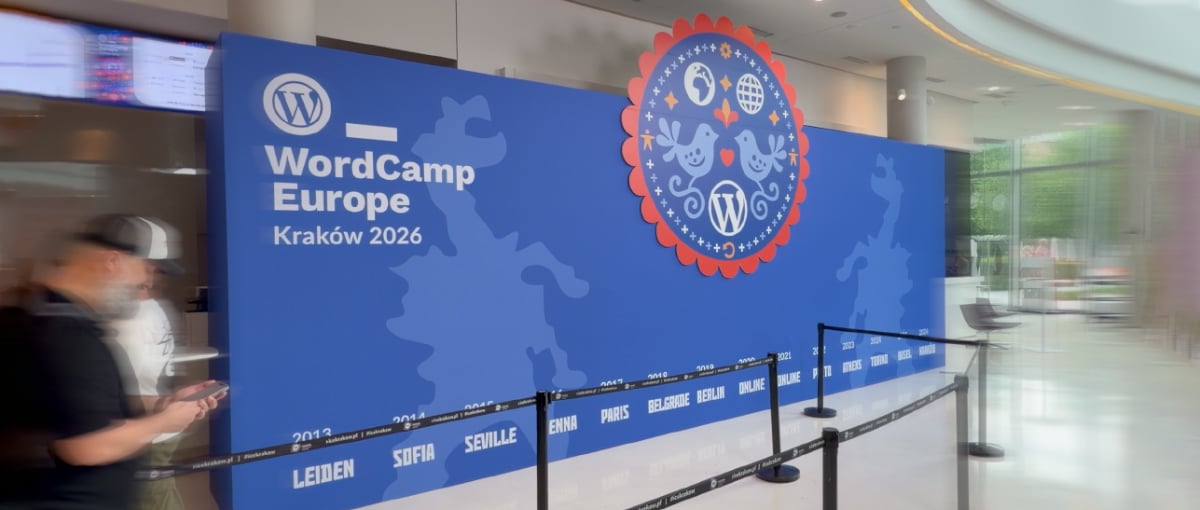
Despite working with WordPress for over fifteen years, I had never attended one of the larger WordPress conferences. When I realised WordCamp Europe 2026 was taking place in Krakรณw, it seemed like the perfect opportunity to experience my first WordCamp.

It was a bit of a whirlwind trip, flying in late Thursday, the conference on Friday & Saturday and then flying out early Sunday morning. So not anywhere near enough time to see that much of Krakรณw outside of the conference but, along with my friend Graeme, we did manage a little sight-seeing in the evenings, exploring the general old town area (much of it via Bolt scooters!).

There was a lot to take in over the trip, so here are a few things that stood out at WordCamp Europe 2026.

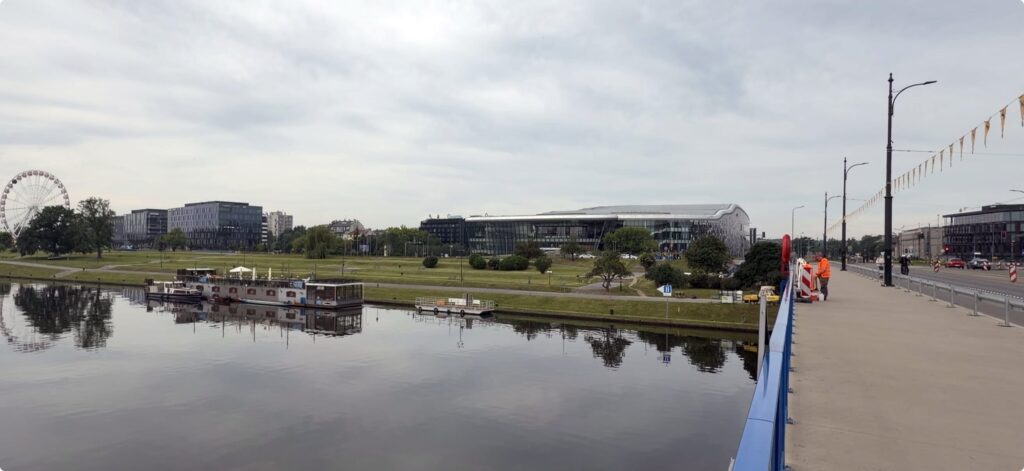
View from a bridge over a calm river or canal, with several moored houseboats reflected in the water. Across the water is a large grassy park bordered by modern office and conference buildings, including a distinctive curved glass-and-metal structure in the centre. A ferris wheel stands in the distance on the left, while a wide pedestrian walkway and road run alongside the bridge on the right under an overcast sky.
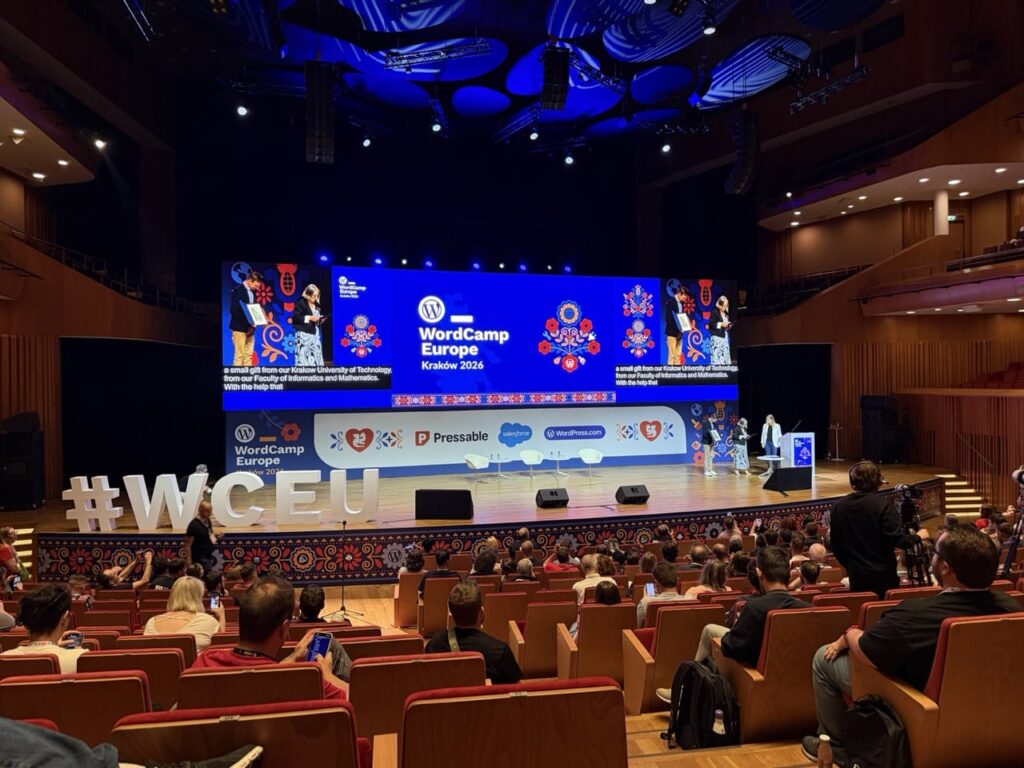
A view of the ICE Krakรณw Congress Centre, the venue for WordCamp Europe 2026.

Accessible and affordable

Many creative industry / web design / development conferences are quite expensive to attend, as someone who has been self-employed for the majority of my working life I have not attended many of these kind of events as I could not justify the high ticket costs.

So part of what I mean by “accessible” is that the cost to attend is accessible. The basic entry cost of โ‚ฌ50 for the two-day event including lunches and snacks meant this was extremely affordable. Additional tiers were available for those who are able to contribute more and pay it forward to help the event stay affordable, but everyone had the same experience regardless of ticket type. This was made possible by the support of some extremely generous sponsors, this helped ensure the cost of entry was as small a barrier as possible (thanks go to all the sponsors who supported WordCamp Europe 2026).

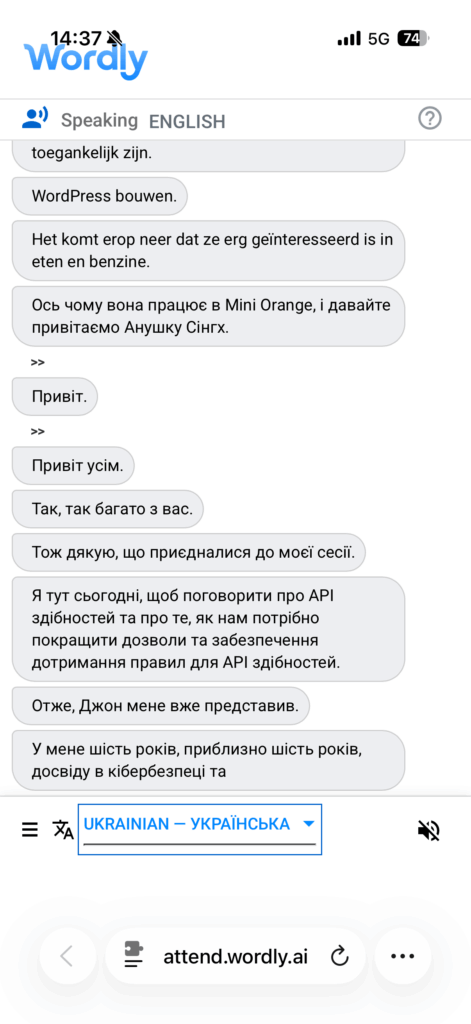
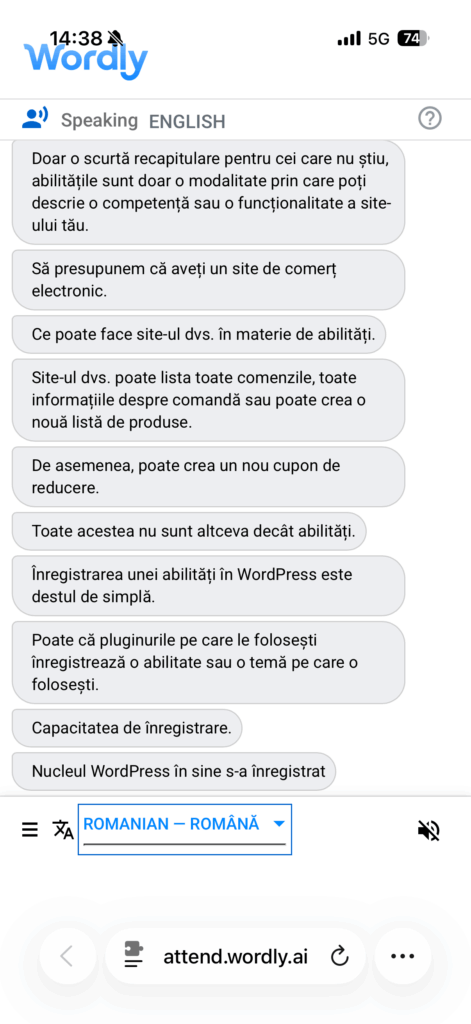
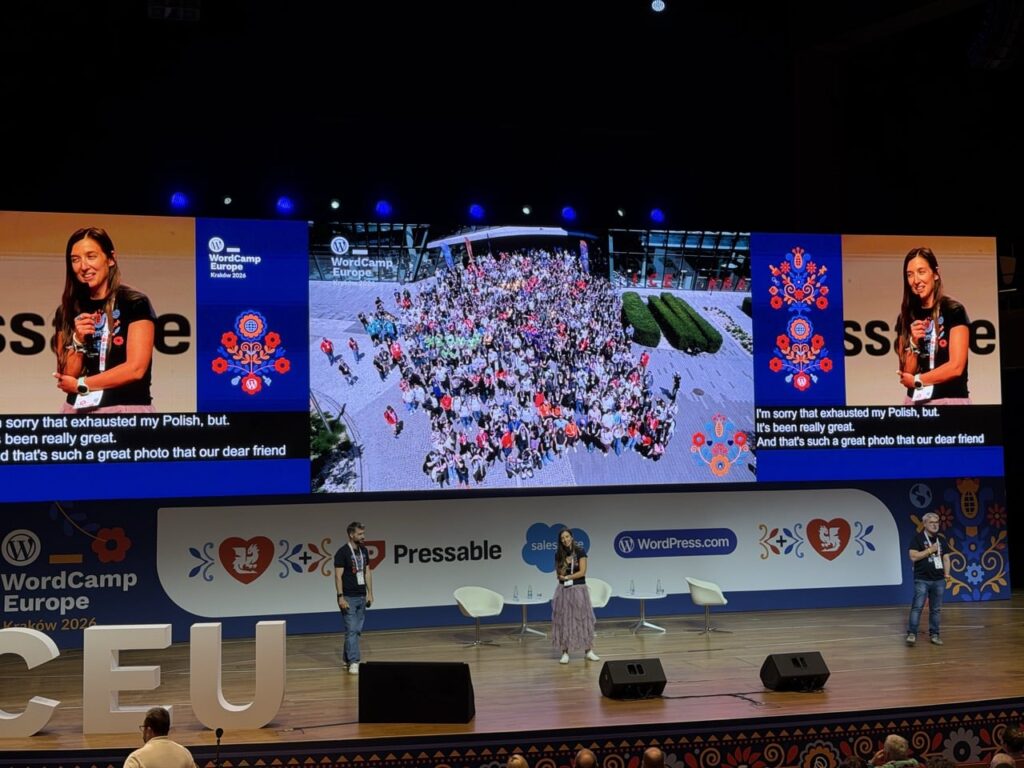
Another aspect of accessibility that was notable was language, translation and captioning. English was the primary language spoken by everyone who was giving a talk, but this was aided by live translated English subtitles shown on screen behind the speakers. Additionally the Wordly AI service was used to provide real-time translation in both audible and text formats. As an English language native I can’t attest exactly as to how effective this was as a tool, but I did try out the live text translation with Ukrainian1 and it seemed to be translating pretty well.

Talks and Panels

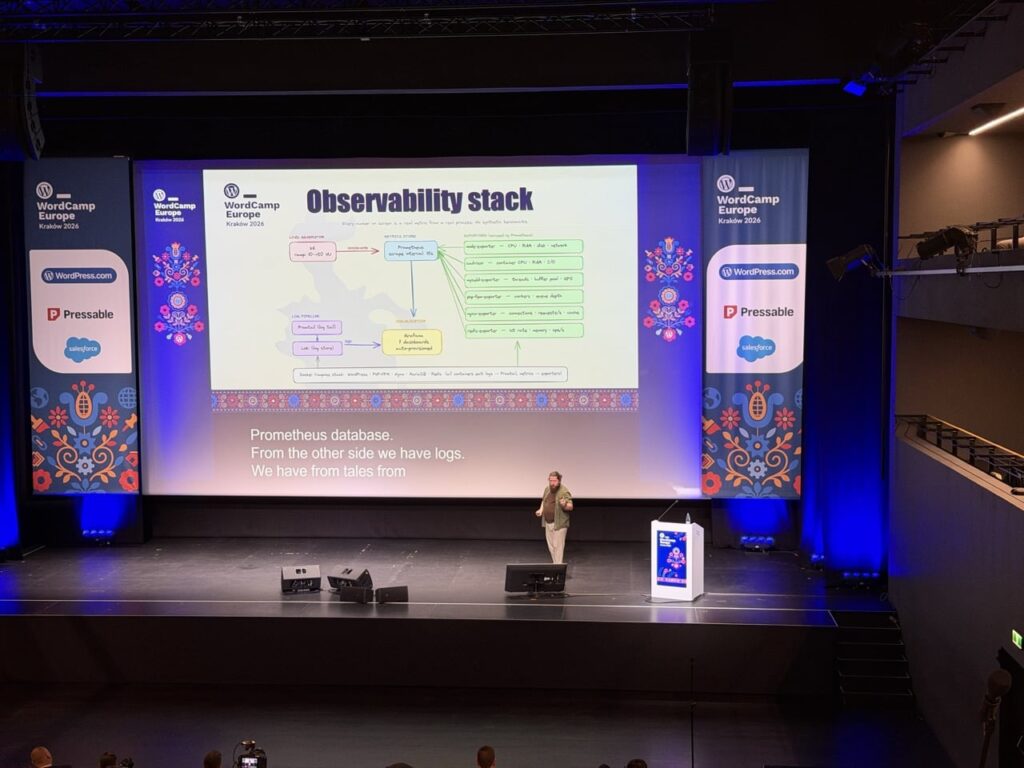
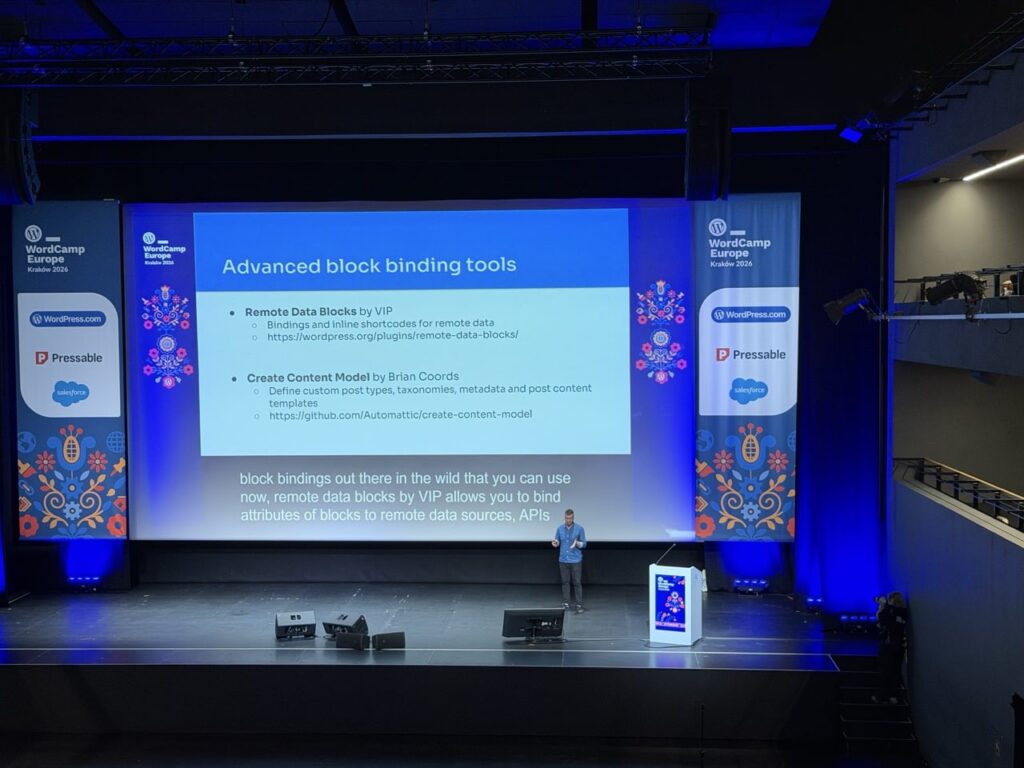
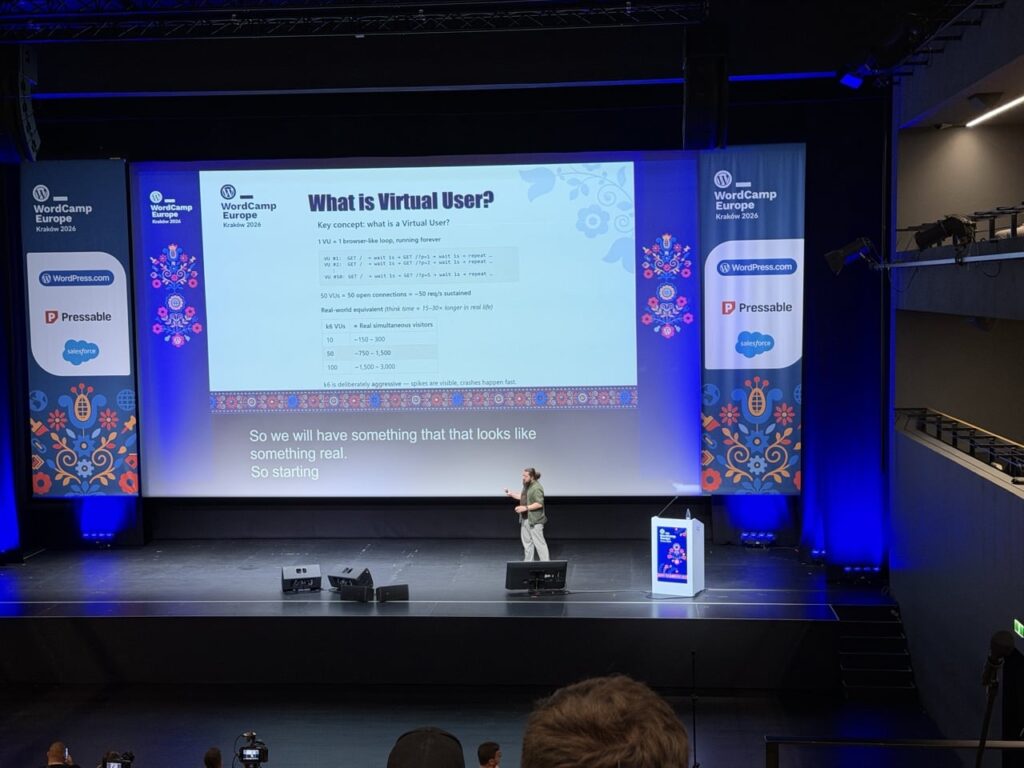
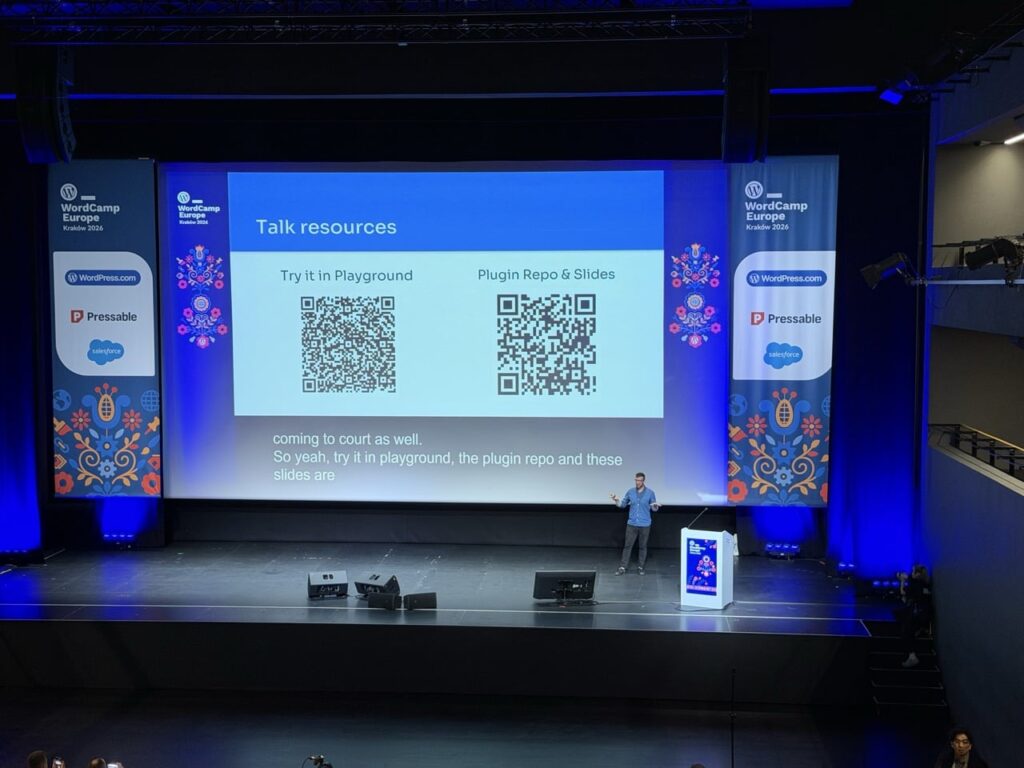
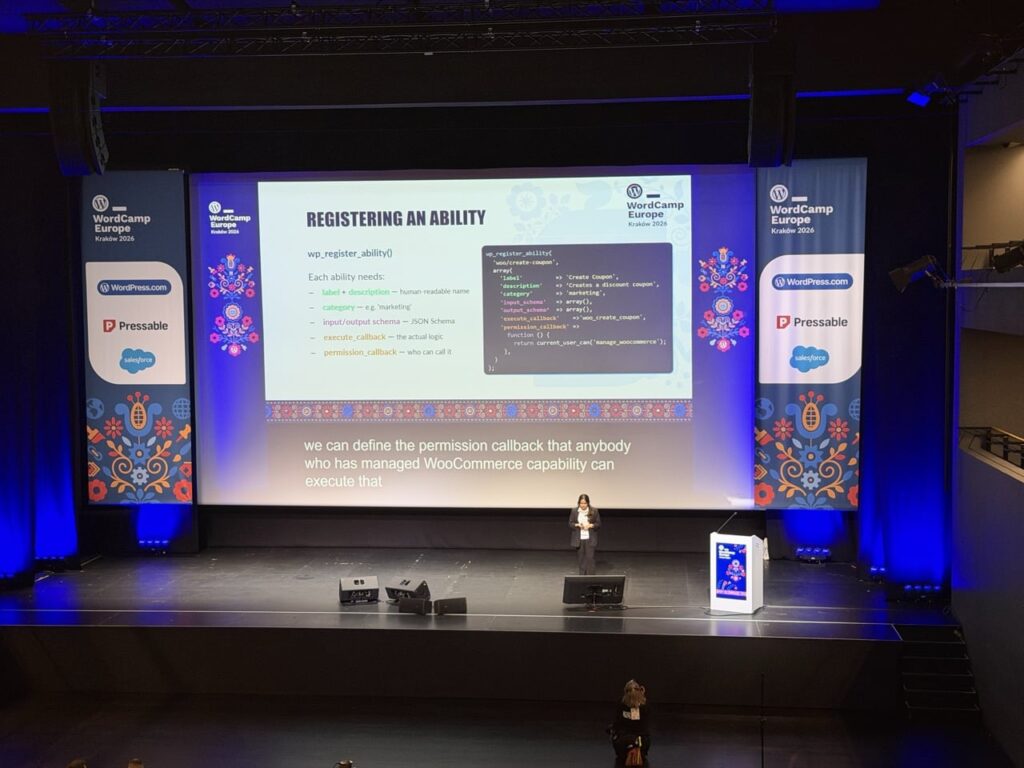
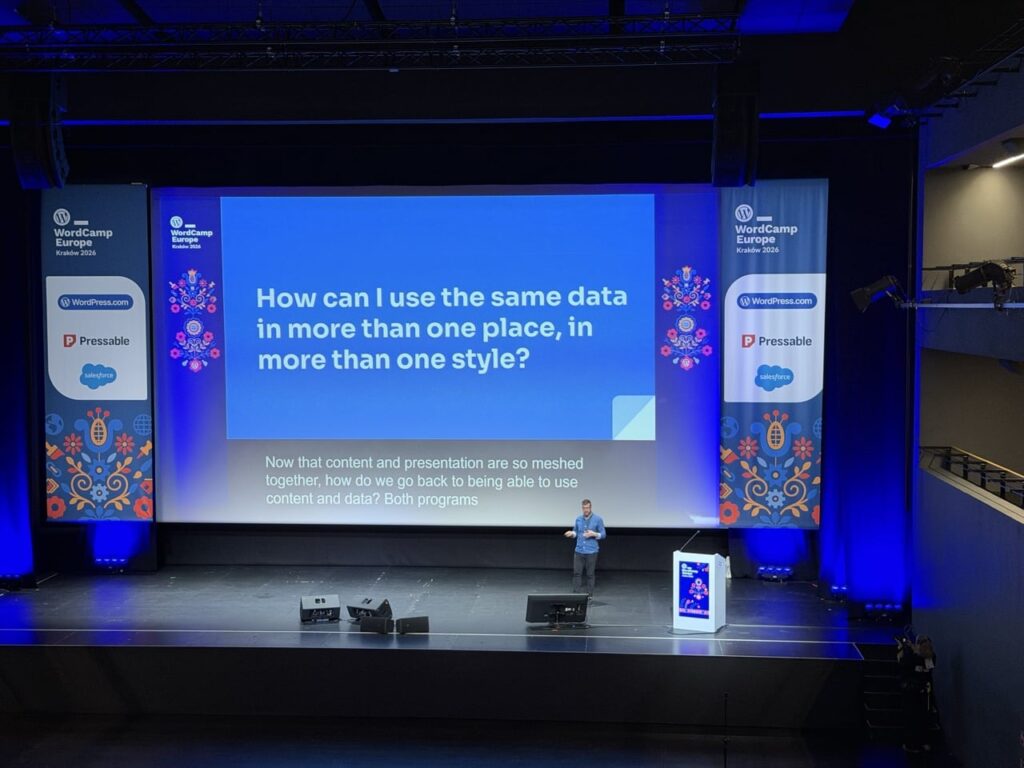
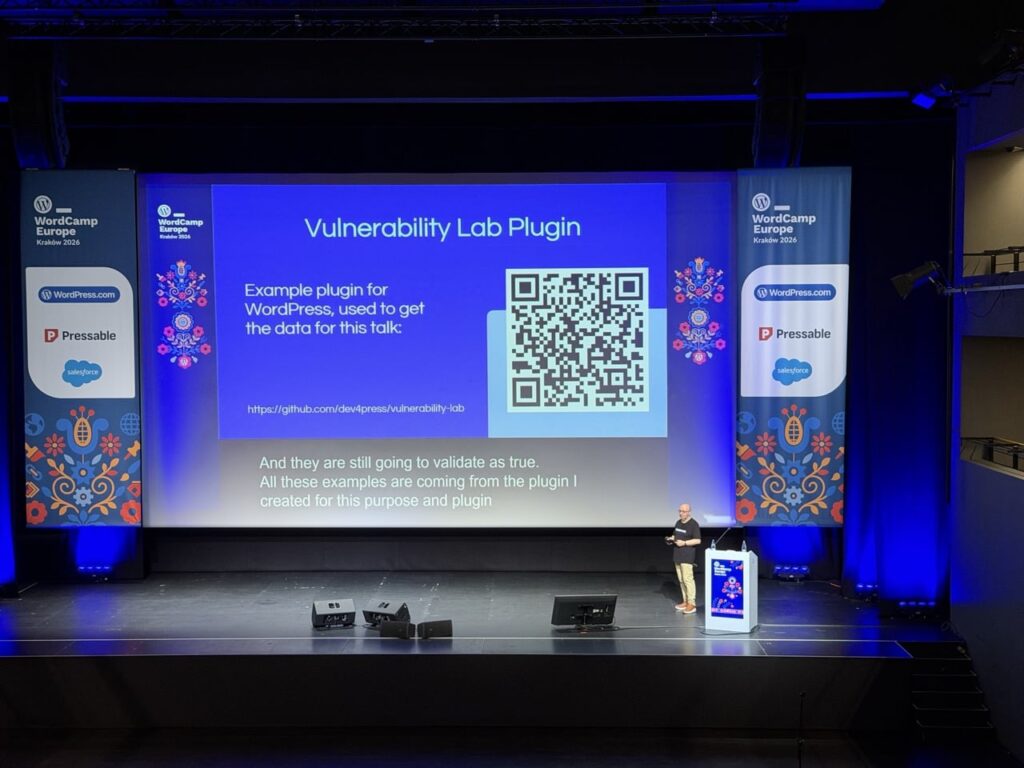
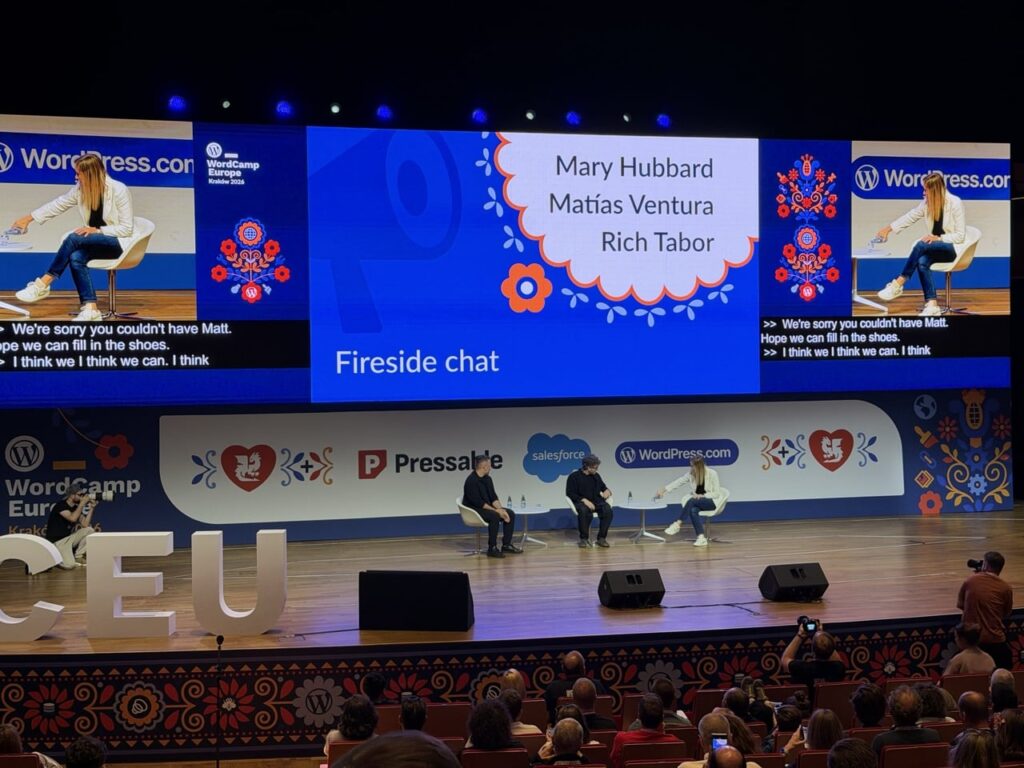
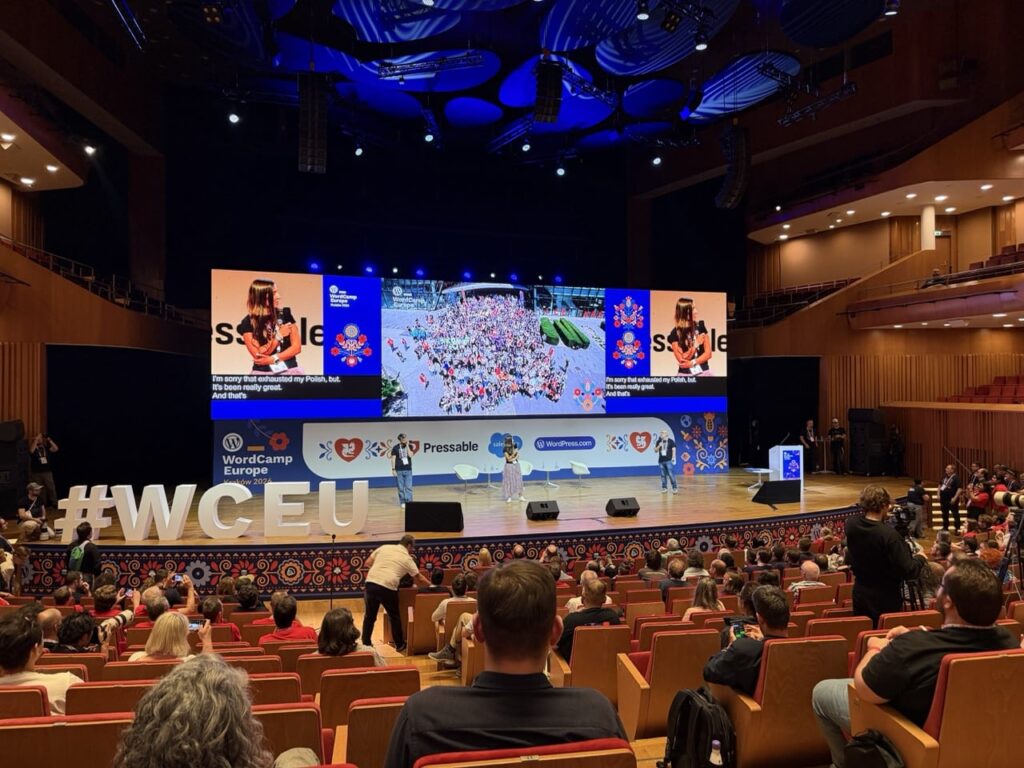
Talks and Panels with various speakers were a key component of the conference, there were two different tracks to pick from with a variety of subjects. Ranging from more technical talks about things like the new “Abilities API” or “Block bindings” to broader topics like the “Future of SEO”.

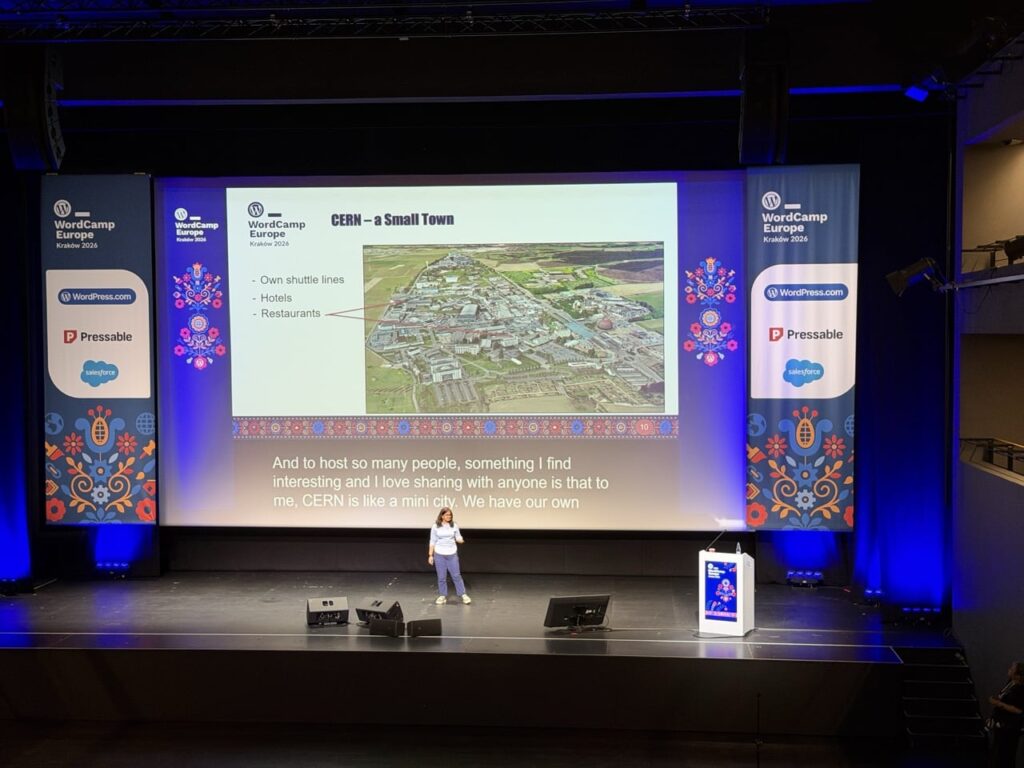
One of the talks that particularly stood out was “Two Worlds Collide: WordPress at CERN”, Joachim Valdemar Yde and Francisco Borges Aurindo Barros gave an overview of a huge project undertaken at CERN to consolidate 800+ websites on various disparate platforms onto WordPress:

Additionally, there were also two Workshop tracks with longer hands-on time exploring things like the “HTML API” and the “Interactivity API”. The workshops looked interesting but I was more interested in checking out the various talks rather than doing extended workshops, I think the workshops were fully booked as there was a lot of interest in them.

All the talks / panels and workshops were streamed / recorded so you can actually go and watch all of them, I will definitely be checking out all of the talks that I missed. Click through to the talks / workshop pages from the main conference schedule page to see the videos.

Conversations

The talks were really interesting, but a big part of WordCamp is the conversations that take place outside of them. Whether it was sitting during a break, queuing to get some coffee or visiting the many exhibitor / sponsor booths in the venue, the conversations with other attendees were really interesting.

There was an incredible variety of backgrounds to the people attending the conference, it’s not just web design / developers attending but a huge array of people that use WordPress for their businesses, charities, personal projects etc. The power and success of WordPress is down to the community of people who care about WordPress, helping people to install, use, develop, translate, support WordPress and the people who use it.

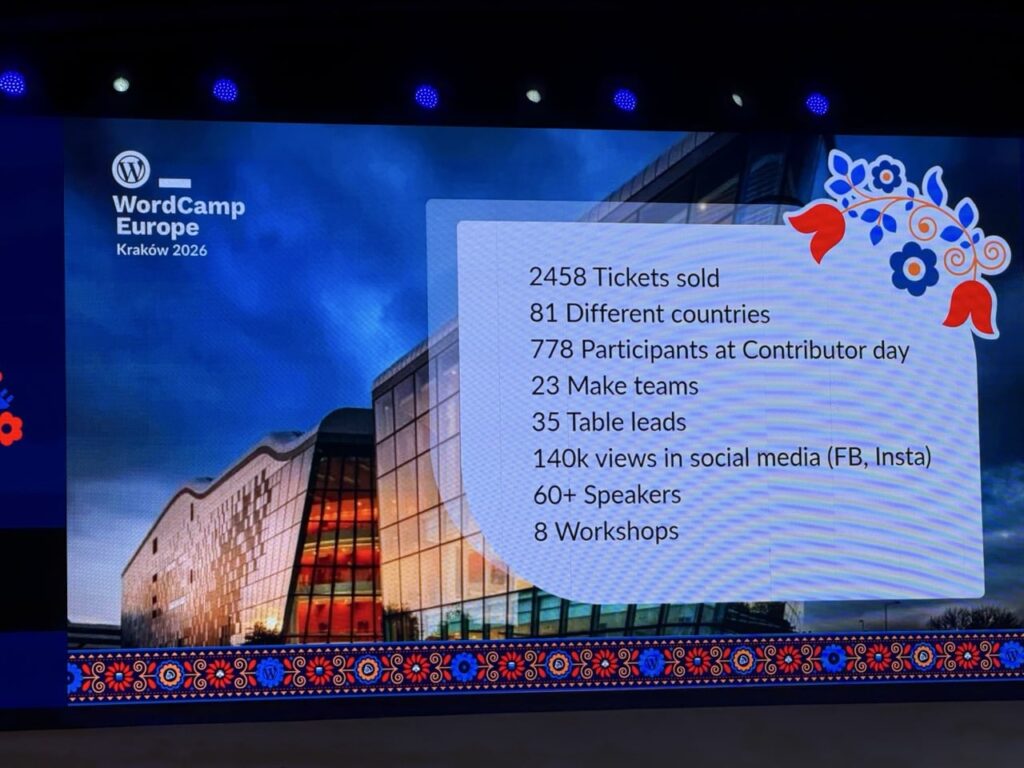
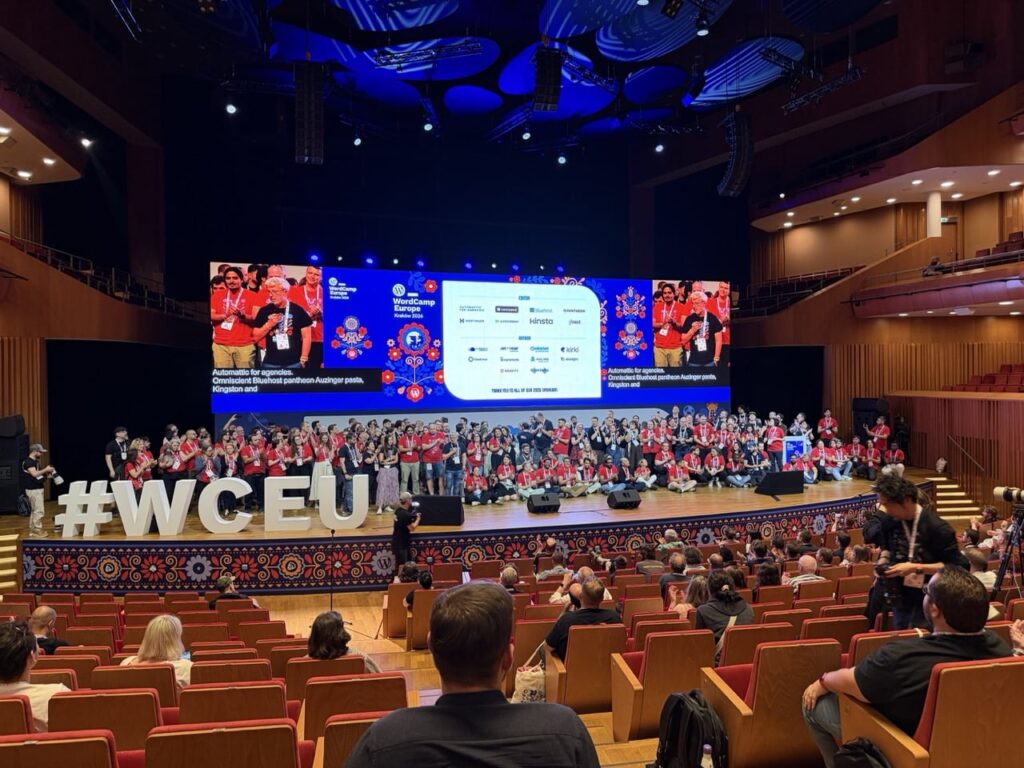
I think there were almost 2500 people attending from about 81 different countries, so it was a really broad and varied group of people in attendance. One thing I missed out on this time but would be keen to attend in future is the Contributor day, this took place the day before the conference and was an opportunity for people to meet together, find out more about opportunities to contribute to WordPress and use their skills to make it even better.

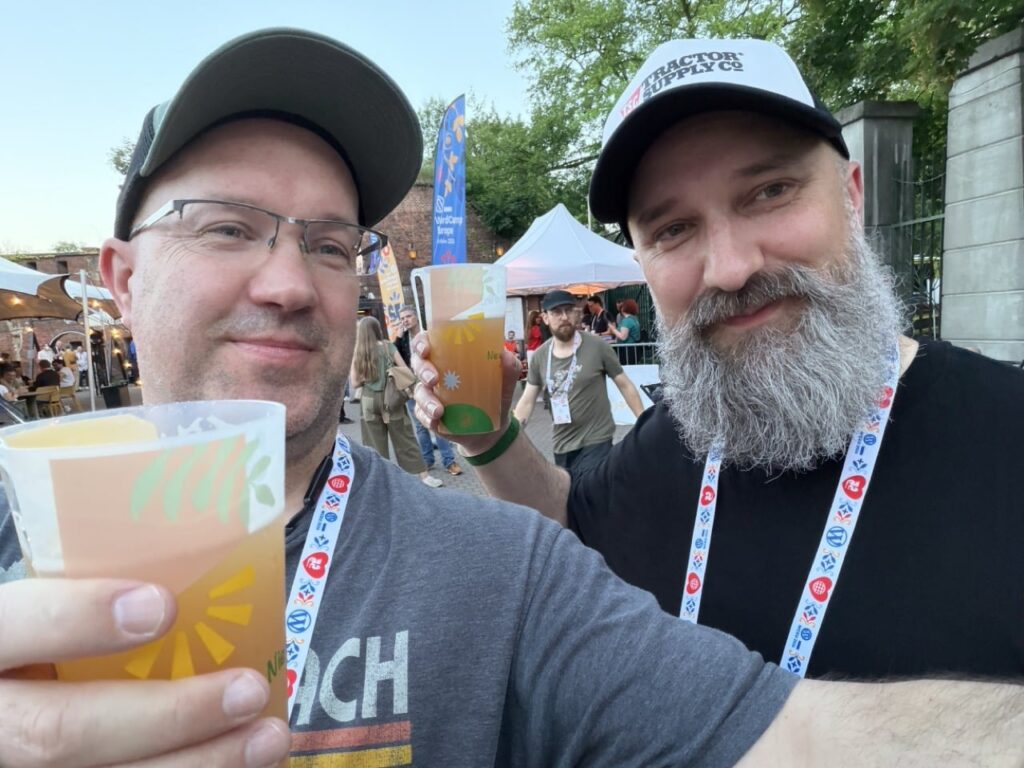
The after-party on the Saturday night at Forty Kleparz – aka Krakรณw Fortress2 – continued the incredibly high standard of the rest of the event, and a chance for the attendees, speakers and at least some of the organisers to relax after a job well done. A time for more conversation, great food, music, karaoke etc. I didn’t stay too long at this as it was an early start to catch a flight back to Scotland the next morning, but everyone seemed to be enjoying themselves.

I don’t drink much beer but I did enjoy this white beer, not sure what it was. My Friend Graeme also enjoyed it.

WordPress and AI

Not unexpectedly, AI was a very common topic of both the talks and panels and conversations. The majority of exhibitors at the conference seemed to be advertising some form of AI or agentic integration, and whilst not every talk or panel had AI in the title, most of them mentioned AI one way or another. Co-incidentally WordPress 7.0 has recently launched which adds some key features enabling AI connections to allow deeper access to AI tools like Codex, Claude, Gemini etc.

There definitely was a lot of discussion about where WordPress stands in this highly dynamic and, yes, disruptive3 era that we are in. Overall it was positive with people excited about the opportunities that AI has for WordPress and how WordPress 7.0’s new AI connectors set a good foundation. I did have at least one conversation where someone expressed concern about how AI is affecting WordPress usage and whether this is contributing to a decline in its growth.

Overall there was a lot of energy being directed in how best to integrate AI into WordPress and related workflows. Definitely some food for thought in regard to my own usage of WordPress and AI. As someone who has increasingly used tools like ChatGPT and Codex in my own work, it was interesting to see how quickly AI has become part of the wider WordPress conversation.

A high bar

So some final thoughts, I heard some amazing talks from great speakers, had some excellent conversations with people, learned about some interesting services, companies, new features and initiatives relating to WordPress.

It really was an incredibly well run event, as a first time attendee I was blown away by the standard of the event and how well it was organised and the level of care and attention given. An incredible venue, in an incredible city, organised by an incredible team. Well done to all the organisers, volunteers and sponsors who made it happen!

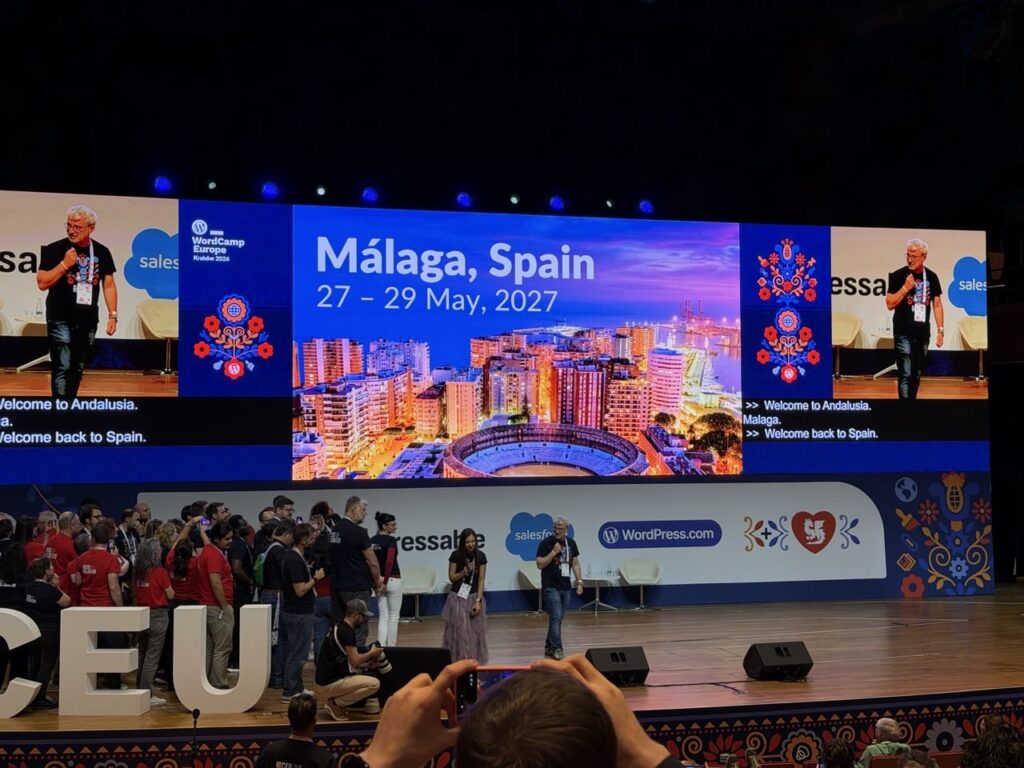
After more than fifteen years of using WordPress, attending my first WordCamp Europe was long overdue. Iโ€™m glad I finally made the trip and Iโ€™ll definitely be looking at attending future WordCamps when I can. Next year’s WordCamp Europe city has been announced, so if this event sounds like something you’d be interested in I’d strongly recommend booking a ticket for WordCamp Europe 2027 in Malaga, Spain as soon as they are available.

Quick video of my trip

It’s always fun to document trips, and Krakรณw was a beautiful city so there was a lot to try and capture. Here’s a wee video with some of what I saw over the two days or so:

WordCamp Europe 2026 took place on June 4-6th, here’s a little video of my trip there!

  1. I have been slowly learning Ukrainian for a couple of years, I’m definitely far from fluent! My wife on the other hand (she is definitely a language geek!) is pretty fluent and is now learning Romanian. โ†ฉ๏ธŽ
  2. Forty Kleparz is in the “Krakรณw Fortress”, a 19th century Austro-Hungarian fortification. Wawel Castle was also an amazing looking, centuries old building, but one I saw only from the outside, I definitely need a return trip to check this out more. โ†ฉ๏ธŽ
  3. “Disruptive” is a word thrown out about various kinds of technology, but I think it is definitely appropriate to use it to describe the impact of AI in our lives. โ†ฉ๏ธŽ

Pushing Boarders

“Pushing Boarders” is a free 3 day event taking place on 1st-3rd June 2018 at the House of Vans skatepark in London:

A unique line-up of pro-skaters, community groups, NGOs, policy-makers and academics present a series of talks and Q&As exploring the social impact of skateboarding worldwide

There’s an amazing lineup of speakers for this event too so worth checking out if you’re in London or can make the trip there.

www.pushingboarders.com

The Highland Fling 2011 Web Conference – Back to Basics

The Highland Fling 2011 Web Conference takes place on Friday 8th July at Symposium Hall, part of the Royal College of Surgeons in Edinburgh:

It’s great to have an event like this in Scotland for once so don’t miss out on the opportunity to go along!

The Highland Fling prides itself on exciting speakers and valuable topics that we can all learn from. Sound good? Whether you’re a front-end whizz or a project manager wanting to find out a bit more about what your team could be getting up to, The Highland Fling 2011 – Back to Basics will take you on a journey through modern web development that you can’t afford to miss.

There’s a great line up of speakers and will be hosted by Christian Heilmann of Mozilla who is also a great speaker.

There’s a special last minute discount deal, just enter the discount code LASTCALL to receive 10% off the standard ticket price.

You can book tickets online at:

http://thehighlandfling2011.eventbrite.com

Here’s the list of speakers and what they’re talking about:

  • Steve Marshal – Why Simple Isn’t
  • Jack Osborne – Lifting the lid on HTML5
  • Mike Rundle – From Websites To Apps: The "Apple Look"
  • Remy Sharp – Interaction Implementation
  • Rachel Andrew – Choosing the right Content Management System
  • James Edwards – Accessibility in modern interfaces

For more details about the conference please visit

http://thehighlandfling.com

Don’t miss it!

Singularity Conference gets ‘head’ed off at the pass

If you’re a web developer / designer or into the web in anyway then you’re going to want to check out the <head> web conference that takes place October 24-26, 2008. <head> is a bit different than your regular conference, The conference website describes it like so:

The premise for <head> is simple: instead of making you come to the web conference, let’s make the web conference come to you.

<head> is a web conference with all of the traditional elements. We have live speakers, presentations, question and answer sections, and networking opportunities. The twist is that the conference takes place everywhere – all over the world – and at real-world gatherings called local conference hubs.

And we use the Internet to tie it all together.

Now, you might be thinking “That sounds cool, but wasn’t someone already running a conference like that?”. If you were thinking that then don’t worry, you’re not going daft! <head> is actually the new name for the conference. The conference was formerly known as Singularity but due to an objection from a company that holds a trademark for the word Singularity relating to conferences the lead organiser, Aral Balkan, had no choice but to change the name!

Anyway, go over and check out the website to find out more about the conference. There’s an early bird ticket price of just $99 if you book soon!

Update 22 Aug 2017: The above is an old post and the conference is past now.

http://www.headconf.org